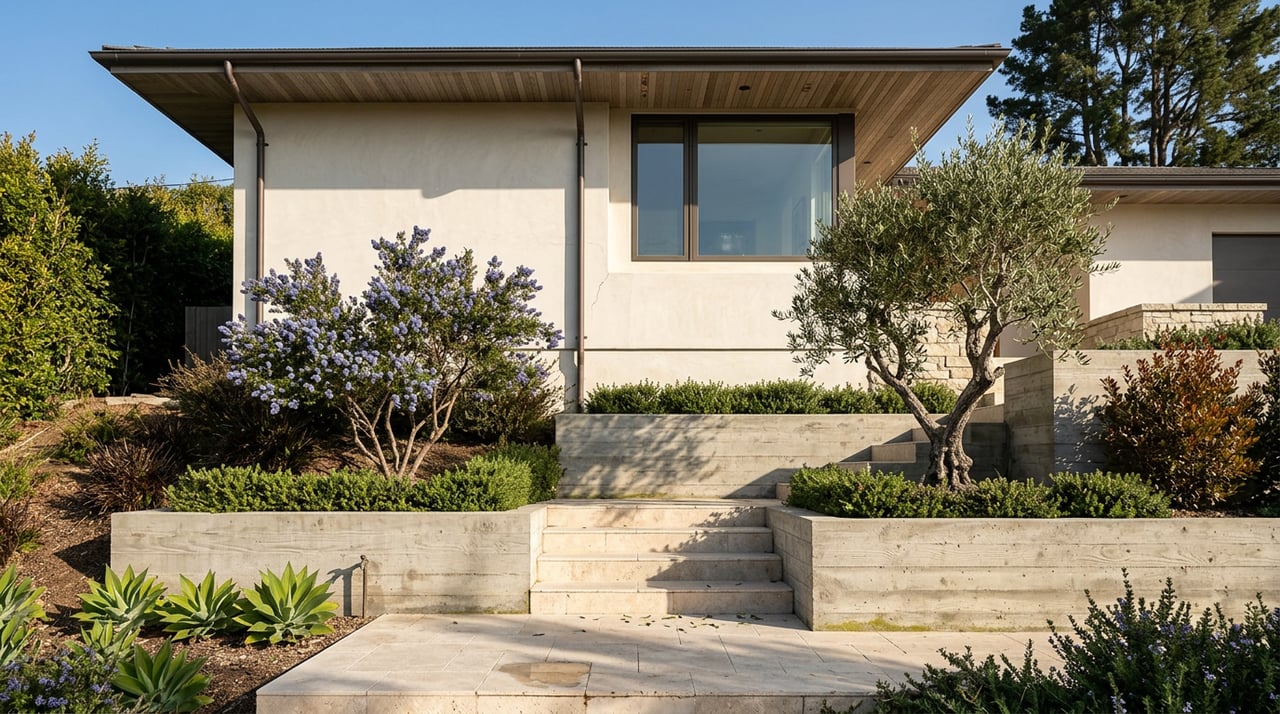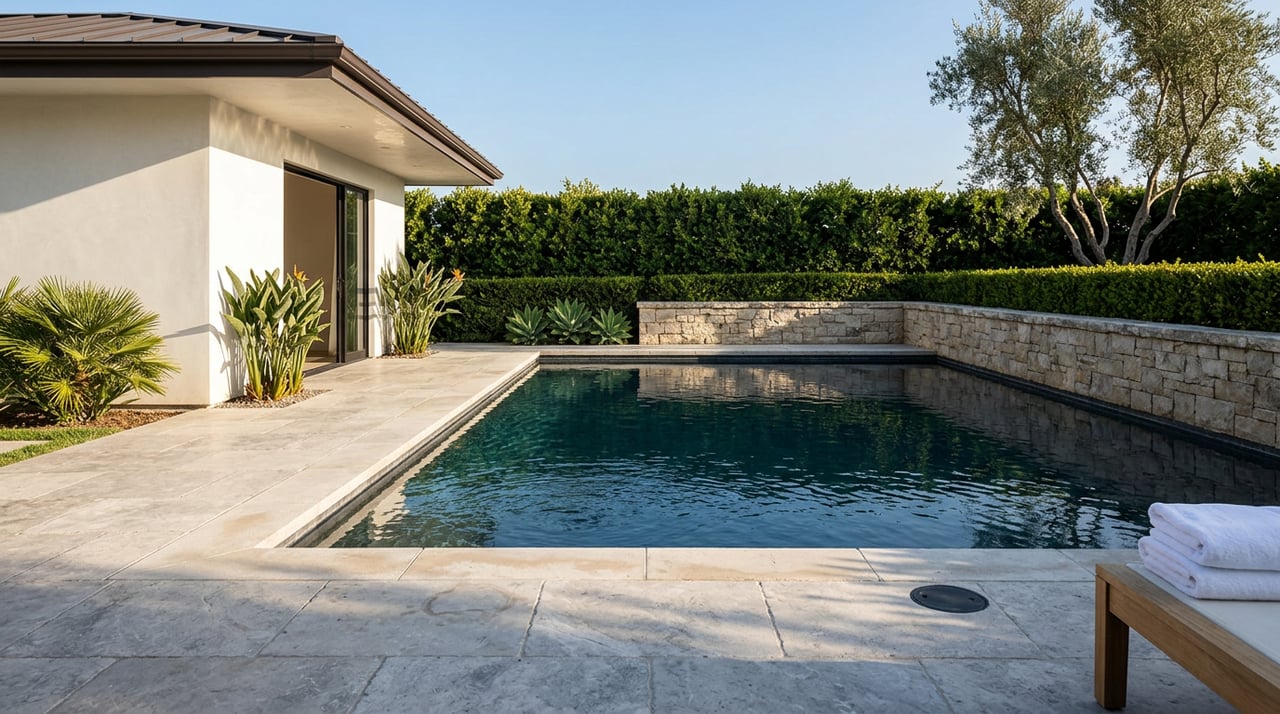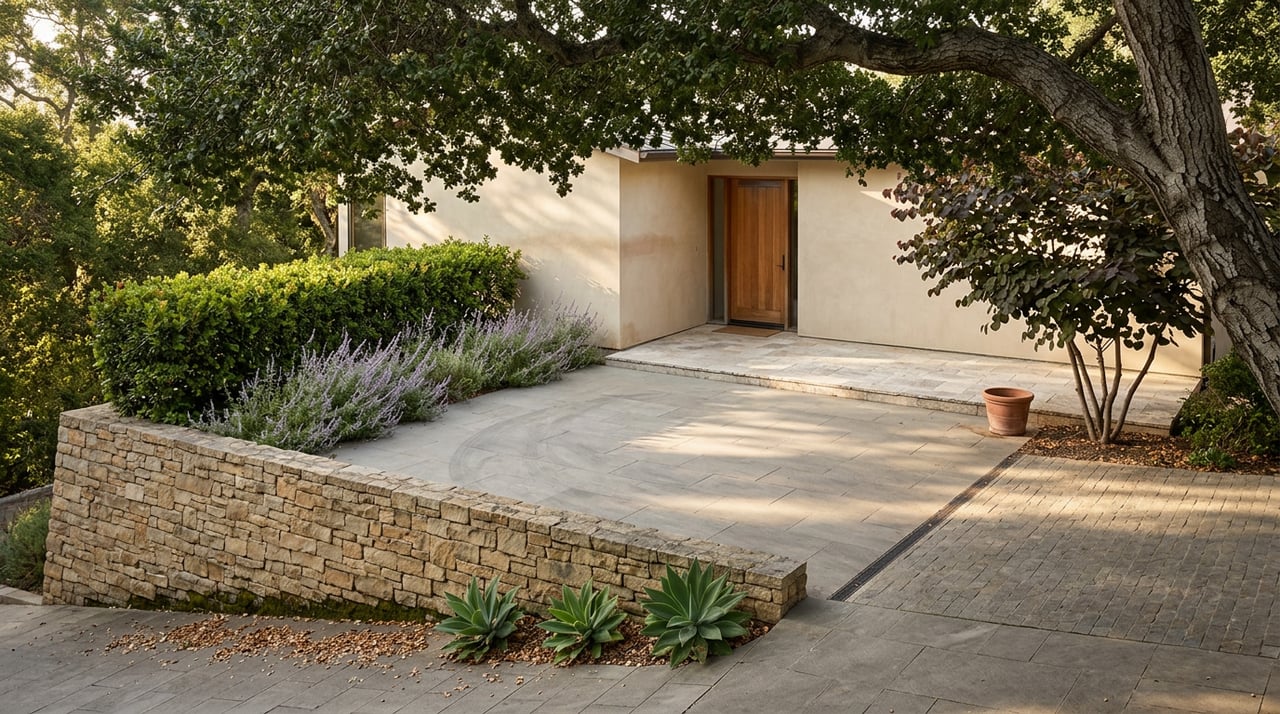
If you are buying or selling in Holmby Hills, price is only part of the story. In this corner of Los Angeles, buyers often look past square footage alone and ask a deeper question: what makes this estate matter? When a home has a documented design lineage, a credible ownership history, and a preservation record that still shows in the architecture, that story can shape demand in a meaningful way. Let’s dive in.
Why provenance matters here
Holmby Hills sits within the broader Beverly Hills, Bel Air, and Holmby Hills luxury cluster long known in real estate writing as the Platinum Triangle. Within Los Angeles City Planning, the Holmby Hills Residential Planning District is located in the southern portion of the Bel Air–Beverly Crest area and is bounded by Brooklawn Drive, Carolwood Drive, Sunset Boulevard, and Beverly Glen Boulevard. That setting already gives the neighborhood status, but provenance adds another layer of value that is often specific to the individual property.
Provenance in this market is not just about a recognizable name. It is the combination of architectural pedigree, documented ownership, intact design intent, and a renovation history that respects the original character. In Holmby Hills and Little Holmby, that distinction matters because SurveyLA found that these planning districts did not qualify as historic districts based on overall integrity or cohesion, so value often comes down to the story of a single estate rather than a neighborhood-wide designation.
How Holmby Hills built its identity
Part of Holmby Hills' appeal comes from its original development story. According to the Holmby Hills Homeowners Association, the tract was laid out on 400 acres of the former Wolfskill Ranch by Arthur Letts Sr., with large lots, buried utilities, and custom street lighting designed to preserve the landscape. Those details still support the neighborhood’s image today because they reflect an early intent to create a refined residential environment.
Little Holmby has a related but distinct identity. Also described by the Los Angeles Conservancy as Westwood-Holmby, it is the adjacent UCLA-linked residential enclave known for period-revival homes built from the 1920s through the 1950s. SurveyLA also notes that several Letts and Janss family members built homes near one another overlooking the Los Angeles Country Club, adding a layered development story that can appeal to buyers who value authenticity and continuity.
What buyers are really paying for
In a selective luxury market, provenance can influence value through scarcity, signaling, and buyer identity. A well-documented architect-designed estate tells buyers that the home is not interchangeable. It suggests quality, cultural importance, and a level of care that goes beyond finishes and staging.
That does not mean provenance alone guarantees a premium. Research cited in the report shows that the effect of historic design and designation can be positive, neutral, or even negative depending on the property, the regulations involved, and the condition of the asset. The practical takeaway is simple: provenance tends to add the most value when the architecture, records, and physical condition all support the same story.
Architecture plus documentation equals credibility
For design-minded buyers, documentation matters almost as much as design itself. Original drawings, historic photographs, architect records, and a clear renovation chronology help confirm what is original, what has been restored, and what has been reconstructed. That clarity reduces uncertainty, which is especially important at the top of the market.
Without that paper trail, the story can weaken quickly. A home may be described as architecturally significant, but if the attribution is not supported by records, buyers may discount the claim. In this market, credibility is part of value.
The Singleton Estate shows the formula
A strong local example is the Singleton Estate in Holmby Hills. The Los Angeles Conservancy describes it as the last major work of Wallace Neff, completed in 1970 on a seven-acre site for Dr. Henry E. Singleton, with landscape design by Thomas Church and Philip Shipley. The estate was also designated a Los Angeles Historic-Cultural Monument.
What makes this example so useful is that the value story is layered and verifiable. It is not just a large house on a prime site. It is the architecture, the landscape design, the original client, and the preservation record working together to create a stronger and more credible identity.
Why restoration can protect value
Provenance is not static. It can be strengthened or weakened over time depending on how a property is maintained and updated. Sensitive restoration tends to help because it keeps the original design legible while allowing the home to function for current living.
A useful nearby example is the Kronish House in Beverly Hills. The Los Angeles Conservancy notes that the Richard Neutra-designed home was once marketed as a teardown, then rescued from demolition, rehabilitated, and later designated as a local historic landmark. The lesson is clear: when important design elements are preserved and documented, provenance can become an asset rather than a risk.
Why property-level history matters more here
One important detail in Holmby Hills and Little Holmby is that neighborhood-wide historic review has not been the defining factor. Los Angeles City Planning explains that HPOZs require additional review for exterior work, including landscaping, additions, alterations, and new construction, under a district Preservation Plan. But the proposed Holmby-Westwood HPOZ effort stopped in 2016, so that level of neighborhood-wide review never took effect there.
That makes property-level records even more important. Since there is no broad district framework carrying the story for every home, each estate has to prove its own significance. For buyers and sellers alike, that means the documents behind the home can meaningfully shape market perception.
What sellers should assemble before listing
If you are preparing to sell a Holmby Hills or Little Holmby estate, the most persuasive provenance package should be factual and well organized. Los Angeles City Planning directs owners and professionals to verify designation status through ZIMAS and HistoricPlacesLA, with SurveyLA serving as a baseline record for identifying significant resources. A strong package should help buyers understand both the home's significance and its current integrity.
Consider assembling:
- Chain of title
- Original building plans
- Original landscape plans, if available
- Architect and contractor records
- Permits for major alterations
- Historic photographs
- Current photographs showing intact details
- A dated renovation chronology
- Any Historic-Cultural Monument, California Register, National Register, HPOZ, SurveyLA, or HistoricPlacesLA records that apply
It also helps to separate confirmed facts from family lore. If a home is definitively tied to a named architect, the record should support that. If the attribution is uncertain, careful wording such as “attributed to” or “associated with” is more credible than overstating the claim.
What buyers should look for
If you are buying in this segment, provenance should be evaluated with the same care you would give to condition, location, and functionality. A beautifully marketed story is not enough on its own. You want to know whether the physical property still carries the evidence behind the narrative.
Look closely at details such as:
- Overall massing and proportions
- Window patterns and original openings
- Built-ins and millwork
- Landscape composition
- Consistency between old photographs and the current home
- Permit history for major renovations
These elements help you understand whether the home still reflects its original design intent. In a market where buyers pay for authenticity, that distinction can matter.
Provenance in today’s market
Current market context helps explain why this topic matters. In the March 2025 Elliman and Miller Samuel report, the Bel-Air/Holmby Hills single-family segment showed a median sales price of $5.815 million and an average price per square foot of $1,285. In late 2025, Little Holmby also recorded a neighborhood-high sale of about $20.3 million, according to later reporting cited in the research.
Those numbers point to a market that remains highly selective but still willing to reward exceptional product. In this setting, provenance works best as a value amplifier. It is not a substitute for a good location, strong condition, or modern usability, but when those pieces are already in place, a documented architectural story can help a property stand apart.
Why presentation matters for sellers
For estates with meaningful history, presentation should be as thoughtful as pricing. A provenance-rich property deserves marketing that highlights verified facts, original design intent, and the continuity between past and present. That is especially true in a private market where many qualified buyers are comparing only a small number of serious options.
A polished, design-sensitive presentation can help buyers understand why a home is rare without relying on hype. In a market like Holmby Hills, where discretion and quality matter, the strongest positioning is usually the most precise. The goal is not to oversell the story, but to document it clearly enough that the value feels self-evident.
Whether you are evaluating a purchase or preparing a sale, provenance can shape how an estate is understood, marketed, and ultimately valued. In Holmby Hills and Little Holmby, the homes that command the most attention are often the ones where architecture, history, condition, and documentation all point in the same direction. If you are thinking about your next move and want a discreet, design-savvy strategy, connect with Nichole Shanfeld.
FAQs
What does provenance mean for a Holmby Hills estate?
- Provenance refers to the documented story behind a property, including architectural pedigree, ownership history, intact design features, and a renovation record that preserves historic character.
Does historic status automatically raise a Holmby Hills home’s value?
- No. The research shows that historic design or designation can support value, but the effect depends on the specific property, its condition, its documentation, and how well the original character remains visible.
Why is property documentation important in Little Holmby?
- Because provenance in Little Holmby is often property-specific, documents such as original plans, permits, photographs, and designation records help confirm the credibility of the home’s story.
What should sellers gather before listing a provenance home in Bel Air or Holmby Hills?
- Sellers should gather a chain of title, original building and landscape plans, architect and contractor records, permits, historic and current photos, a renovation timeline, and any applicable preservation records.
What should buyers verify when considering an architecturally significant estate in Holmby Hills?
- Buyers should verify whether the architect attribution is supported by records, whether major design features remain intact, and whether past renovations were documented and handled in a way that respected the original design intent.