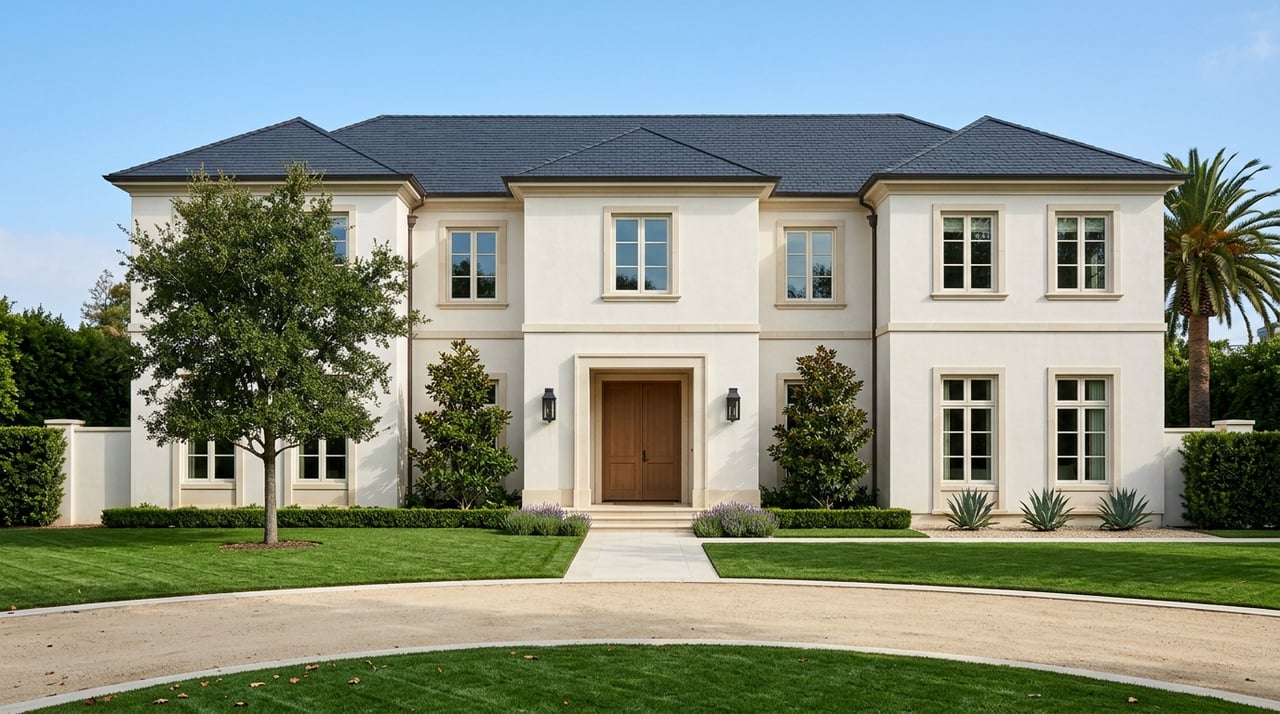
What turns an expensive home into a true trophy estate in Holmby Hills or Little Holmby? In this corner of Los Angeles, the answer is rarely just square footage or a headline price. If you are buying, selling, or simply trying to understand what drives prestige here, it helps to know how land, architecture, privacy, and provenance work together. Let’s dive in.
Trophy status starts with scarcity
In Holmby Hills and Little Holmby, trophy status is best understood as the intersection of land, design, and story. The strongest properties usually offer at least two of those traits, and the rarest estates offer all three.
That distinction matters because these are not broad, uniform luxury markets. They behave more like collector markets, where a home’s individuality can matter as much as its size. In practice, that means not every expensive property earns trophy status, even in a highly regarded neighborhood.
Holmby Hills was built for estates
Holmby Hills was conceived as an estate community in the early 20th century. City planning records describe a neighborhood shaped by winding streets, gently sloping land, underground utilities, high privacy walls or hedges, and large parcels, with the smallest original lots sold at three-quarters of an acre.
The same records note a strong concentration of architect-designed homes by names such as Paul R. Williams, Wallace Neff, Gordon Kaufmann, George Washington Smith, and Roland E. Coate. That historical foundation still influences how the market values homes today. Buyers are often responding not only to luxury, but also to a setting that was designed from the start to feel private, spacious, and architecturally significant.
Little Holmby rewards a different kind of rarity
Little Holmby is a smaller historic pocket on the Westwood side of the line, sometimes described as Westwood-Holmby. It is known for period-revival architecture and homes dating from the 1920s through the 1950s.
Because the lots are generally smaller, trophy status works a little differently here. In Little Holmby, a standout home often wins on character, finish, privacy, and architectural credibility rather than raw land alone. A polished, well-sited home with strong design can command a premium even without estate-scale acreage.
Land still leads in Holmby Hills
In Holmby Hills, land is still the clearest starting point. Public examples show that current listings associated with trophy-level pricing often sit on parcels around or above an acre, including 214 S Beverly Glen Blvd at 1.32 acres, 133 S Mapleton Dr at 1.1 acres, and 660 Club View Dr at 1.27 acres.
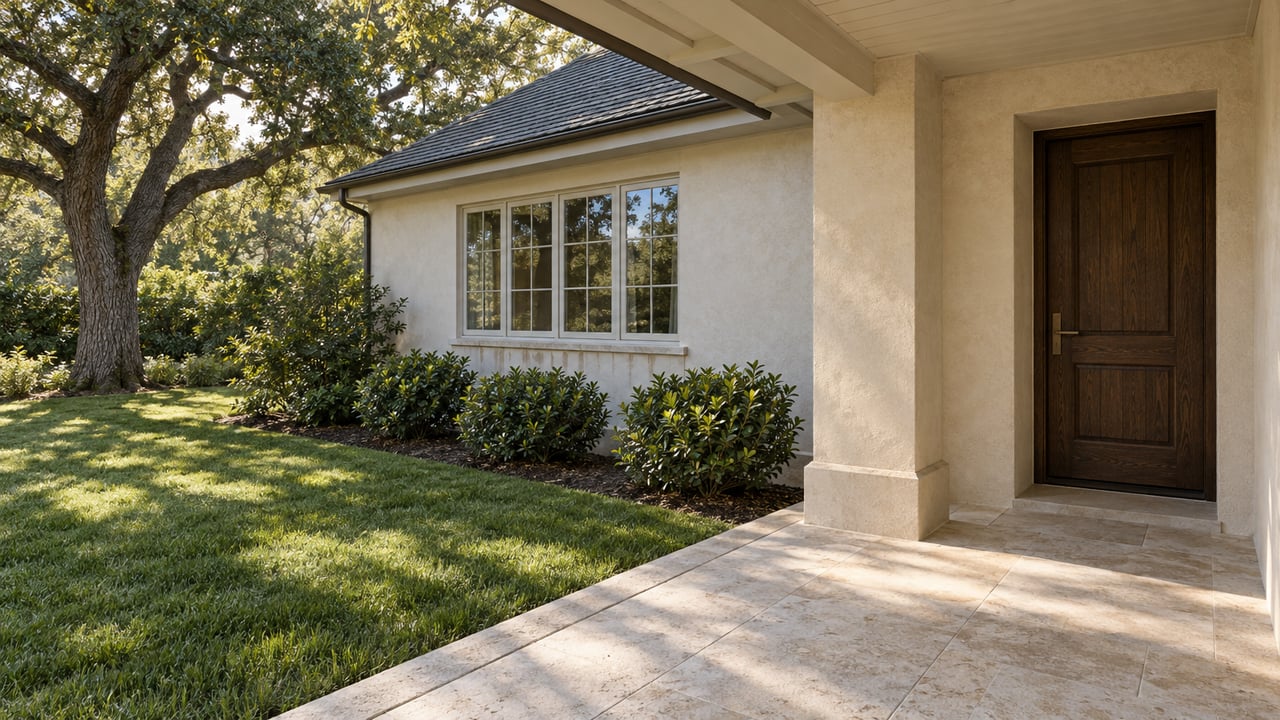
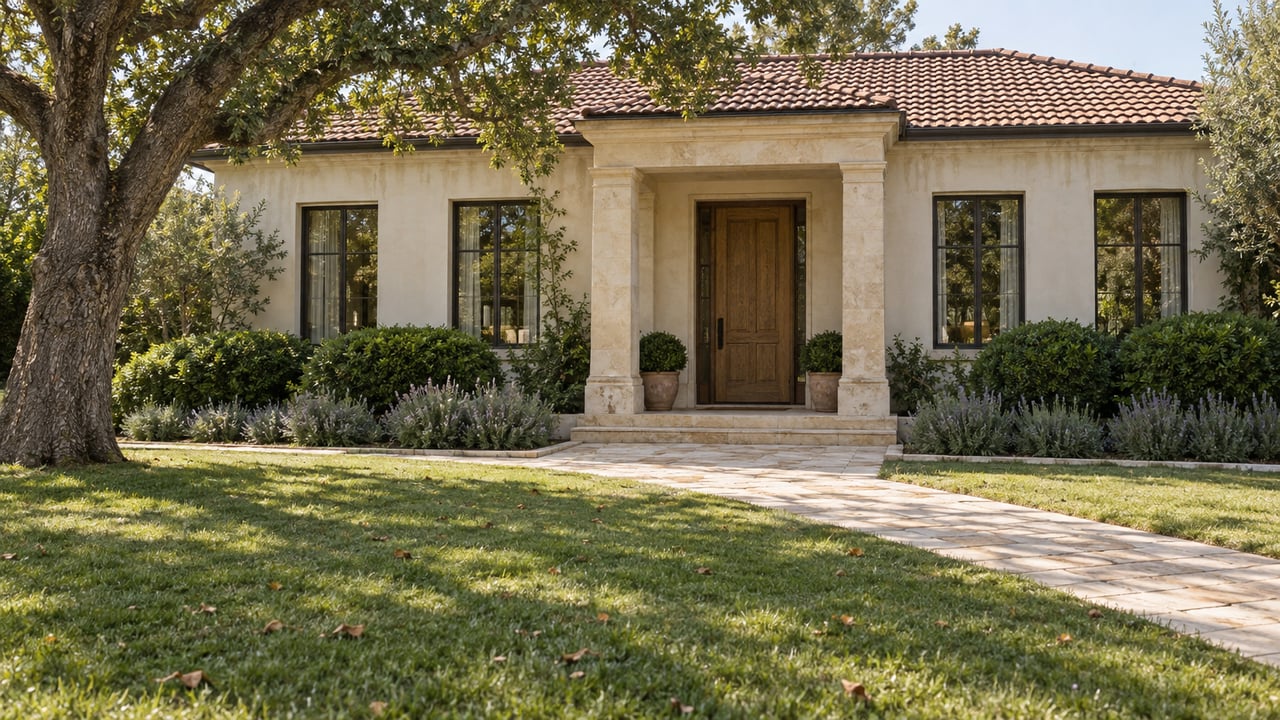
That lot scale creates options that are hard to replicate elsewhere in Los Angeles. Larger setbacks, long approaches, broad lawns, gardens, pools, and tennis courts all contribute to the sense that a property is more than a house. It feels like a compound, and that feeling is a big part of trophy appeal.
In Little Holmby, site quality matters more than site size
Little Holmby shows a different pattern. Current public examples include homes on lots around 7,500 to 9,500 square feet that still reach premium pricing when the home is highly finished and the setting feels private.
That tells you something important if you are evaluating value here. In Little Holmby, the market often rewards homes that make the most of a smaller canvas through elevation, treetop outlooks, strong architecture, and privacy from the street. The lot may be smaller, but the experience can still feel special and scarce.
Architecture is more than a style choice
A trophy estate in these neighborhoods usually has architecture that feels legible and intentional. In Holmby Hills, city survey material points to a high concentration of architect-designed homes and notes that the neighborhood retained its original layout and scale even as some original homes were replaced.
That helps explain why authenticity still matters. A large house may be impressive, but a home with a clear architectural point of view, balanced proportions, and a design story tends to resonate more deeply with buyers who are shopping at the top of the market.
Why intact character adds value
In Little Holmby, period-revival homes from the 1920s through the 1950s remain part of the neighborhood’s identity. As a result, well-preserved traditional, Colonial, Tudor, or architect-led renovations often stand out more than plain rebuilds.
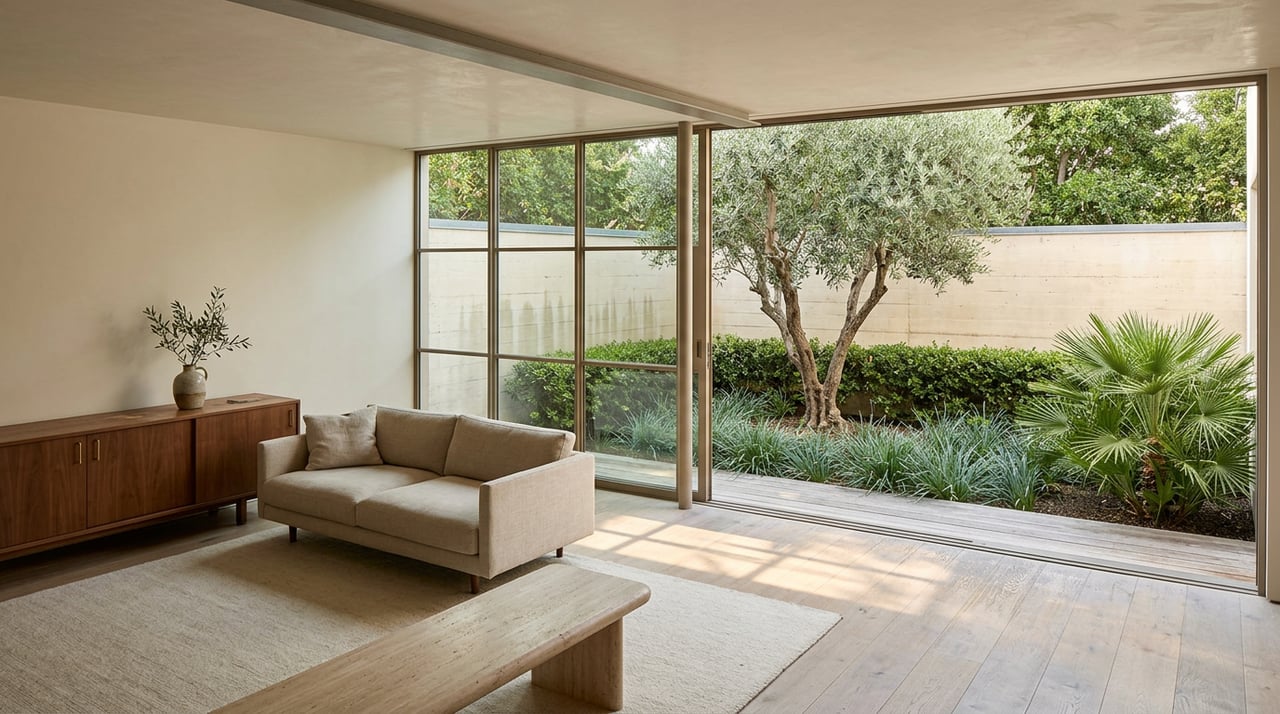
For buyers, this means the details matter. Original elements, thoughtful renovations, and consistency between the home’s architecture and its finishes can all strengthen the case that a property is one of one rather than one of many.
Privacy shapes the experience
Privacy is a recurring theme in both neighborhoods, but it carries particular weight in Holmby Hills. Planning documents highlight high privacy walls, gates, narrow roads without sidewalks, and a landscape of large lawns and gardens.
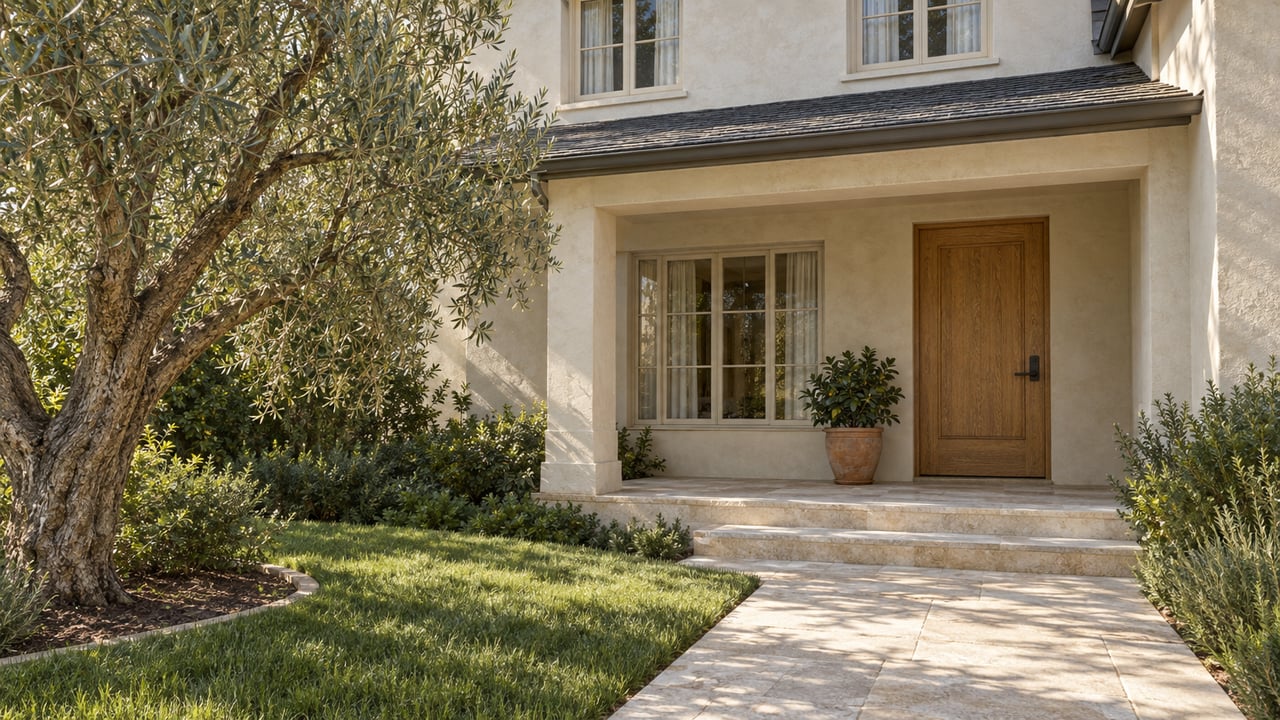
Those physical traits shape how an estate is approached and experienced. A long drive, a concealed entry, mature hedging, and separation from the street all contribute to the kind of arrival sequence buyers expect from a true trophy property.
Approach and outlook matter too
Views and elevation can also play a role. Holmby Hills was originally marketed with views of Los Angeles and proximity to Westwood and the Los Angeles Country Club, while current listings continue to emphasize sweeping outlooks and private grounds.
In Little Holmby, listings often highlight treetop views, elevated siting, and privacy from the street. Even on a smaller parcel, those features can give a home a more protected and distinguished feel.
Provenance can separate great from merely expensive
One of the clearest markers of a trophy estate is a verifiable story. That story might involve a notable architect, an important former owner, a meaningful landscape plan, or unusually intact original details.
Current public examples help illustrate the point. The Jean Harlow Estate at 214 S Beverly Glen Blvd is marketed with original features such as a hidden Prohibition-era bar, while a Little Holmby Paul R. Williams home built in 1937 for Watterson Rothacker returned to market after 50 years. These details do not just add intrigue. They create scarcity that buyers can understand and value.
How the market prices these traits
Holmby Hills currently behaves like a collector market. Redfin’s neighborhood report places the median sale price at $6.9 million with a median market time of 186 days, while active public listings range from the high teens to around $60 million.
That spread suggests a simple truth. In Holmby Hills, size alone is not enough. To reach the highest tier, a home usually needs some combination of acreage, privacy, and provenance.
Little Holmby is still firmly in the luxury category, but the pricing ceiling is lower. Current public single-family listings range from $3.695 million on Le Conte Avenue to $11.995 million on Warner Avenue, with other examples in the mid-single-digit range.
That pricing pattern reinforces the neighborhood’s value logic. In Little Holmby, a trophy home is usually a highly polished, private, architecturally credible residence on a smaller site rather than a large compound with vast acreage.
What sellers should document
If you are selling in Holmby Hills or Little Holmby, the most valuable information is often the hardest to recreate later. The market responds best when a home’s scarcity is clearly documented and thoughtfully presented.
Focus on the details that support trophy status, including:
- Lot size and site configuration
- Privacy features such as gates, walls, hedging, and setbacks
- Architect, designer, or landscape credits
- Original architectural elements and preserved details
- Historical ownership or documented provenance
- Views, elevation, and approach sequence
For a design-led property, presentation matters as much as raw data. Buyers at this level are often evaluating narrative and defensibility alongside finishes and floor plans.
What buyers should ask first
If you are buying, the key question is not just, “How big is it?” A better question is, “Why is this home hard to replace?”
That framing helps you look beyond price and into scarcity. In these neighborhoods, the answer often comes down to whether the property offers estate-scale land, architectural pedigree, privacy, or a story that can be verified. The more of those boxes a home checks, the more likely it is to be truly trophy-grade.
A simple way to define the difference
Here is the clearest shorthand. Holmby Hills tends to reward estate-scale land plus provenance, while Little Holmby tends to reward character-rich architecture plus privacy and convenience.
That does not mean there is only one path to trophy status. It means each neighborhood has its own version of rarity, and the best results come from understanding that distinction before you buy, sell, or position a home for market.
Whether you are evaluating a legacy estate or a highly finished historic residence, careful local judgment matters. If you want discreet guidance on buying or selling a design-forward property in this part of Los Angeles, connect with Nichole Shanfeld.
FAQs
What defines a trophy estate in Holmby Hills?
- A trophy estate in Holmby Hills usually combines large land, strong privacy, notable architecture, and verifiable provenance such as an architect credit or historical story.
What defines a trophy home in Little Holmby?
- A trophy home in Little Holmby is often a smaller but highly polished property with architectural character, privacy from the street, and a setting that feels scarce and well considered.
Why does lot size matter in Holmby Hills real estate?
- Lot size matters in Holmby Hills because the neighborhood was planned as an estate community, and larger parcels support the setbacks, grounds, and private approach that buyers often expect at the top of the market.
Why can smaller homes still command premium prices in Little Holmby?
- Smaller homes in Little Holmby can still command premium prices when they offer strong condition, period character, privacy, elevation, and a design story that feels difficult to duplicate.
What should sellers highlight when marketing a Holmby Hills or Little Holmby property?
- Sellers should highlight lot size, privacy features, architect or landscape credits, original details, and any documented historical provenance that helps explain why the property is unique.