Is your Bel Air home simply beautiful, or does it rise to the level of architecturally significant? If you care about provenance, craftsmanship, and design lineage, that question matters for value, marketing, and long-term stewardship. In this guide you will learn how architectural significance is evaluated, which documents verify the story, and how it all plays out in Bel Air. You will also get practical checklists for sellers and buyers so you can move forward with clarity. Let’s dive in.
What “architecturally significant” means
Architectural significance is not just about good looks or a famous zip code. It rests on recognized criteria and the home’s integrity.
National and state standards
At the federal level, the National Park Service outlines four core pathways to significance: association with broad patterns of history, association with significant persons, distinctive architectural characteristics or construction methods, and potential to yield important information. Integrity is essential and is measured across location, design, materials, workmanship, feeling, and association. You can review these standards in the National Register criteria from the National Park Service.
California follows aligned guidance through the California Office of Historic Preservation. A property may be significant at the local, state, or national level and can be recognized for cultural, architectural, or associative importance.
Local Los Angeles designation
In the City of Los Angeles, the Historic-Cultural Monument program evaluates architectural, historic, and cultural importance along with integrity. Local designation can trigger review of alterations and may provide recognition that supports marketing and stewardship. Learn more through the city’s Historic-Cultural Monument program.
Key traits buyers and historians look for
When a Bel Air estate is assessed for architectural significance, these attributes tend to carry the most weight:
- Architect pedigree and attribution: Confirmed design by a recognized architect or firm, or a design that exemplifies a designer’s career work.
- Integrity and original fabric: How much of the original plan, materials, finishes, and spatial relationships remain intact.
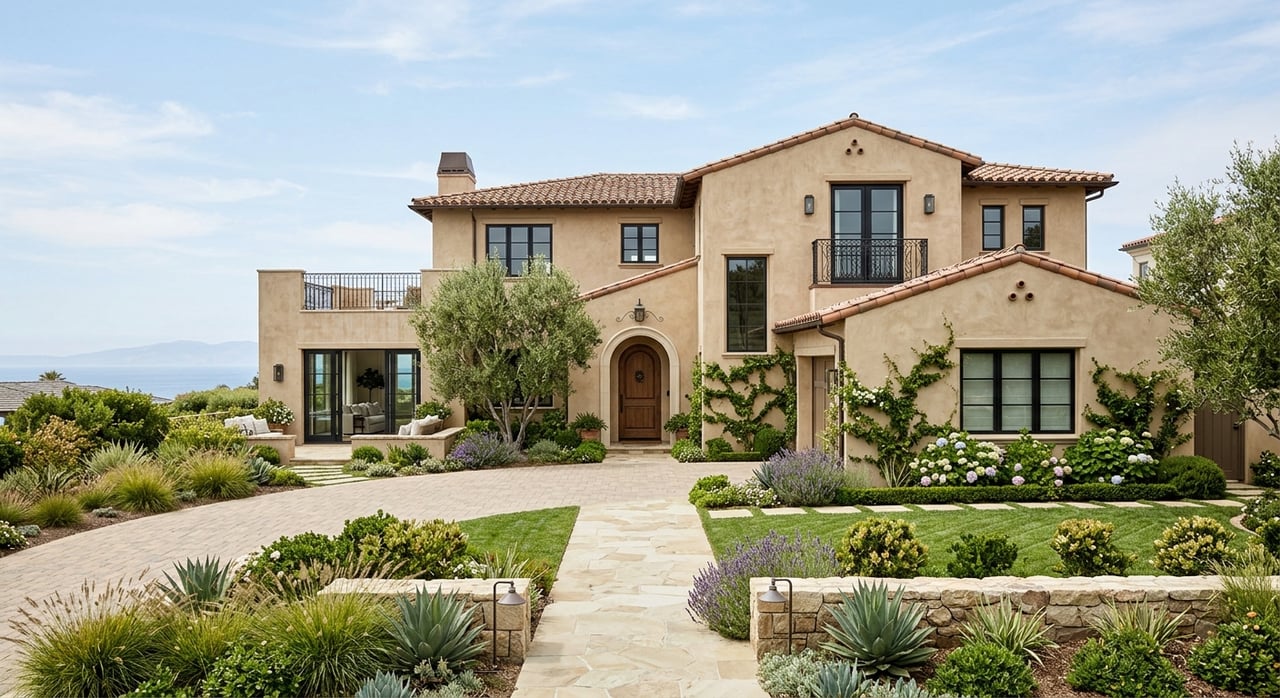
- Style representativeness or rarity: A pure, early, late, or rare example of a style such as Mediterranean or Spanish Colonial Revival, Hollywood Regency, mid-century modern, or a notable contemporary work. Unique hybrids that mark important design trends also qualify.
- Materials, craftsmanship, and technology: Exceptional or innovative materials, artisanal detailing, and construction methods. Landscape design and site engineering integrated with the architecture also matter.
- Context and setting: The relationship to the site, views, approach, gardens, terraces, and hardscape that support the original design intent.
- Associative significance and provenance: Documented connections to notable owners or cultural moments that add depth to the home’s story.
- Group or ensemble value: A property that is part of a cluster of related works or a series by the same architect may gain added significance.
Bel Air context that shapes significance
Bel Air’s layered history strengthens the case for many properties. Developed in the 1920s, it attracted high-style Mediterranean and Spanish Colonial Revival estates in its early decades, then Hollywood Regency and romantic modernism in mid-century, followed by mid-century modern and contemporary commissions from the 1940s onward. This diversity means you are just as likely to find an intact revival classic as a crisp modernist statement.
Signature estate features influence evaluations. Large sloped lots, hillside construction, long drives and motor courts, integrated outdoor living, pools and terraces, bespoke interiors, and designed gardens often contribute to significance. Los Angeles has documented many neighborhoods and resources through SurveyLA, which provides useful context when assessing a Bel Air property.
Local regulations and topography matter. Hillside development rules affect what can be altered, which is why permit and grading histories are relevant to integrity. If a home has or seeks local designation, the city’s review process may shape renovation options through the Historic-Cultural Monument program.
How to verify provenance and integrity
Significance gains credibility when supported by strong documentation. The right materials help you confirm attribution, chart changes, and present a clear story to buyers.
Documentation to gather
- Original architectural drawings and specifications, including signed or stamped plans, elevations, and landscape drawings.
- Building permits, planning approvals, and construction contracts that confirm dates, contractors, and scopes of work.
- Historic photographs and contemporaneous press, such as architectural journals or local newspapers, that capture original appearance and reception.
- Architect office records and archives, which may be housed at the Getty Research Institute or university special collections. Cross-check signatures, correspondence, or job numbers.
- Title history and chain-of-ownership records that document notable past owners.
- Restoration, renovation, and condition reports prepared for permits or sales, including architectural historian assessments.
- Oral histories and correspondence, supported by tangible documents, plus recent measured drawings or professional surveys.
Standards for acceptance
- Aim for multiple independent sources, such as plans plus permits plus period photos.
- If there are gaps, an architectural historian can provide an expert report that clearly states confidence levels.
- Preserve everything digitally and compile a well-organized provenance dossier for marketing and due diligence.
If your property is mid-century or modernist, Docomomo’s best practices can guide documentation and preservation thinking. Explore standards and resources at Docomomo US.
Market impact and valuation considerations
Architecturally significant properties in Bel Air often attract a narrower but deeper pool of buyers, including collectors, design-focused purchasers, and preservation-minded clients. That concentrated demand can increase visibility, spur competitive offers, and extend reach internationally. Research and industry commentary indicate that clear provenance and intact design often support stronger market performance, though premiums vary by property and market conditions. For broader context on preservation’s economic benefits, explore the National Trust for Historic Preservation.
Appraisers weigh unique factors when valuing architecturally significant homes:
- Comparable sales can be scarce, so adjustments for rarity and integrity are common.
- Original features in good condition or well-executed restorations are often viewed positively.
- Buyers may price in higher maintenance costs, potential review processes tied to designation, and the more specialized buyer pool.
Seller checklist for Bel Air estates
If you are preparing to bring a significant estate to market, a thoughtful plan protects value.
- Assemble and digitize primary materials: original plans, permits, historic photos, press, restoration records, and the chain of title.
- Commission an architectural historian or preservation consultant to write a concise Statement of Significance and an alterations timeline.
- Invest in professional photography, measured drawings, and a polished virtual tour that highlight intact design and materials.
- Clarify legal encumbrances in advance: conservation easements, landmark status or pending nominations, hillside and grading conditions, and any permit constraints.
- Weigh strategy around local designation or conservation tools. Each path carries different review, maintenance, and potential tax or transfer implications.
- Partner with a broker who understands provenance marketing, niche buyer outreach, and private exposure strategies for trophy properties.
Buyer due diligence checklist
When evaluating an architecturally notable Bel Air estate, a precise review saves time and protects your investment.
- Verify attribution with a provenance dossier. If the record is thin, hire an independent architectural historian.
- Inspect integrity with preservation-savvy inspectors and architects. Identify original elements and estimate restoration costs.
- Reconcile permit and alteration history, with special attention to hillside grading and structural work.
- Confirm regulatory exposure: landmark status, potential for city review, and realistic renovation options.
- Budget for maintenance of original materials and bespoke systems. Source specialist contractors as needed.
- Engage an appraiser experienced in architect-designed and historic properties.
When designation and reviews apply
Local designation in Los Angeles does not happen automatically. It requires a formal process, and if granted, major alterations typically undergo review through the Historic-Cultural Monument program. Separate from designation, hillside properties are subject to city development and grading rules that can affect feasibility even for straightforward projects. Conservation easements, when present, add another layer of review. A clear understanding of these frameworks helps you plan sensitive updates that respect the architecture while meeting lifestyle needs.
For owners and buyers seeking orientation to Los Angeles architecture and preservation professionals, the Los Angeles Conservancy is a helpful educational resource.
How Nichole positions significant Bel Air estates
You want more than a listing. You want a discreet, design-forward strategy that honors the architecture and reaches the right buyers.
- Curated presentation that elevates provenance, including a refined dossier, then-and-now visuals, and architect profiles where appropriate.
- Targeted outreach to collectors, design media, and international audiences through boutique positioning supported by major distribution.
- Off-market sourcing and early access for buyers who prize privacy and scarcity.
- Private tours and controlled exposure that protect the home and the owner’s schedule.
- Fast, confidential execution aligned with high-value outcomes.
Whether you are buying or selling, a clear architectural story and a precise marketing plan create real advantage in Bel Air.
If you would like a confidential conversation about your home’s provenance or a quiet search for an architect-designed estate, connect with Nichole Shanfeld for private access and tailored representation.
FAQs
What makes a Bel Air home architecturally significant?
- Significance typically reflects recognized criteria, such as a noted architect’s work, intact original design, rarity or purity of style, and documented provenance, evaluated against standards from the National Park Service and the City of Los Angeles.
How do I confirm my home’s architect and provenance?
- Gather primary documents like stamped plans, permits, and historic photos, cross-check with archives such as the Getty Research Institute, and consider an independent architectural historian’s report to validate gaps.
Do Los Angeles historic designations limit renovations in Bel Air?
- Local Historic-Cultural Monument designation can require review of major changes, so plan updates with the city’s Historic-Cultural Monument program in mind and consult early on feasibility.
Does architectural significance increase value in Bel Air?
- Significance often attracts a deeper, design-focused buyer pool and can support stronger market performance, though premiums vary by property and market; the National Trust for Historic Preservation provides useful context on broader economic benefits of preservation.
What should I assemble before listing a provenance home?
- Compile plans, permits, historic imagery, restoration records, a chain of title, and a concise Statement of Significance, then package them into a digital dossier to accelerate buyer confidence.
Are mid-century and modernist homes in Bel Air considered significant?
- Many are, especially when attribution is clear, integrity is high, and the design showcases important modern movement traits; see guidance from Docomomo US for documenting these properties.