In Beverly Hills, timing can move millions. If you plan to sell in the next year, you want a clear plan that protects privacy and maximizes exposure to real buyers. This guide shows you how seasonality, major events, and travel patterns shape demand for luxury property, and how a focused pre-market plan can give you an edge. Let’s dive in.
Why timing matters in Beverly Hills
Luxury buyers in Beverly Hills are few and highly mobile. Entertainment leaders, collectors, and international buyers often travel in waves tied to events and business cycles. When you launch in sync with these patterns, more qualified buyers see your home at once, which can increase competition.
Unlike mainstream markets, ultra-prime listings rely on private showings and curated outreach, not open house traffic. Missing a key window may reduce your pool for weeks or months. Aligning timing with a high-touch plan is how you preserve momentum and control.
Prime listing windows
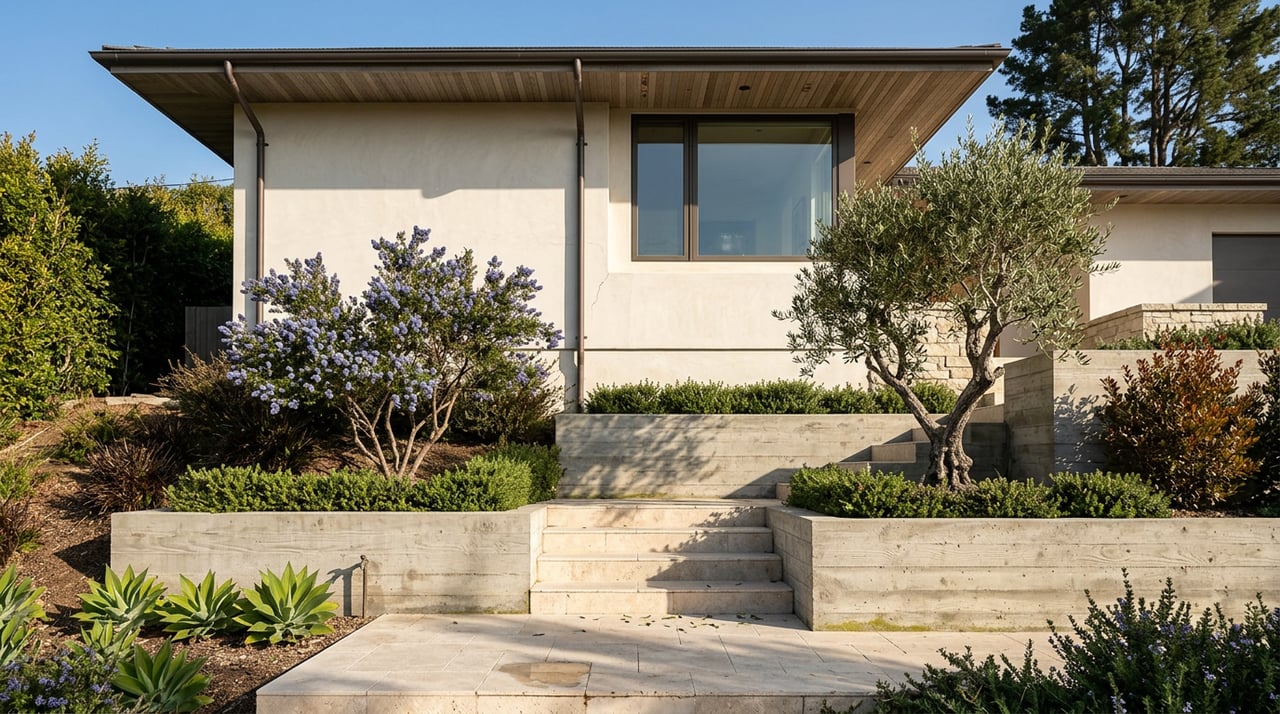
Most U.S. markets see higher activity in spring. In Beverly Hills, the strongest luxury windows often include late spring, early fall, and select event periods. These moments pair good weather and buyer presence with strong presentation for outdoor amenities.
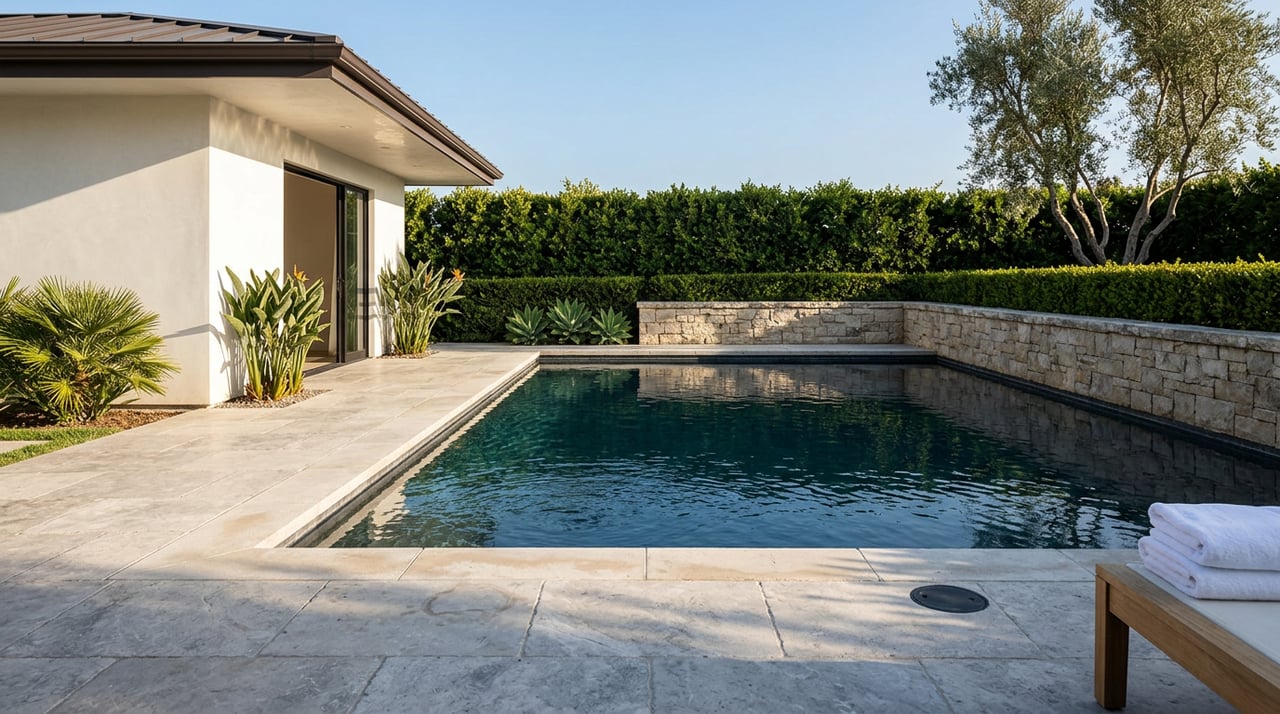
- Late spring (April to June): robust buyer activity and ideal light for gardens, terraces, and pools.
- Early fall (September to October): buyers return from summer travel and business travel resumes.
- Awards and art season: concentrated visits by industry figures and collectors create short-term opportunities.
What to ask before you pick dates
Request month-by-month luxury metrics for Beverly Hills over the last 12 to 36 months. Focus on:
- Median days on market and median sale price by price tier.
- Active inventory and absorption by month.
- Off-market activity trends for top price points.
- Broker tour patterns and high-net-worth buyer visit cycles.
Event calendar: leverage cultural moments
Awards season, major art fairs, design weeks, and high-profile galas bring qualified visitors to Los Angeles and Beverly Hills. When notable buyers are already in town, you can schedule discreet previews or a private broker showing to capture attention.
These weeks can also strain logistics. Hotels book up and schedules change fast. Plan security, car access, and backup showing times so you protect privacy while staying flexible. Confirm dates each year using local tourism and event calendars.
Travel patterns and buyer mix
Beverly Hills draws local Westside buyers, domestic movers from other U.S. hubs, and international clients. Their travel timing shapes showings:
- Summer: outdoor living shows beautifully, but many decision-makers travel. Some visitors scout second homes during this period.
- Fall and late winter to early spring: business and event travel concentrates qualified buyers in LA.
- School calendars: family buyers often target summer closings to settle before the new school year.
Ask your agent for buyer origin insights by month when available. This helps you pick a launch window that meets your likely audience.
Pre-market prep: an 8–12 week plan
Luxury presentation takes time. A disciplined schedule keeps you on track for your chosen window.
- Weeks 8 to 12: complete repairs or light renovations, refresh landscaping, and test systems and security.
- Weeks 6 to 8: stage interiors and exteriors, refine lighting, coordinate art, and deep clean.
- Weeks 3 to 4: capture cinematic video, twilight photography, floor plans, and aerials if appropriate.
- Weeks 1 to 2: soft launch to top agents, line up private tours, and schedule event-aligned showings.
Privacy and discretion matter. Replace open houses with controlled, qualified appointments. The goal is to create scarcity and protect your home’s narrative.
Season-by-season playbook
Late winter and awards season (January to March)
Pros: concentrated entertainment presence and strong flight connectivity. You can line up high-profile private showings. Cons: schedules are busy and media attention can increase. Prep in December so you are ready for curated previews during awards weeks.
Spring (April to June)
Pros: classic peak activity with ideal weather. Buyers planning summer relocations are motivated. Cons: more competing listings. Showcase outdoor living and plan twilight shoots to elevate lifestyle.
Summer (July to August)
Pros: vacationing buyers and visitors may be in town, and outdoor amenities shine. Cons: decision-makers may be away and family schedules can limit availability. If traffic is thin, use this window to finalize improvements and stage for an early fall launch.
Early fall (September to October)
Pros: buyers return, business travel resumes, and weather stays favorable. Cons: event overlaps can tighten schedules. Coordinate private previews around art, design, or industry events when key buyers visit.
Late fall and holidays (November to December)
Pros: quieter environment for select, private sales. Cons: generally lower activity and shorter daylight for media. If discretion is paramount, consider an invitation-only approach; otherwise, prepare for a spring or early fall debut.
Public launch or private offering
At the top of the market, off-market and invitation-only campaigns are common. A private route can protect privacy and control access. A public launch can expand reach and encourage competitive bidding.
Your choice should match your goals, timeline, and the buyer profile for your property. In either case, timing and targeted outreach are the levers that drive results.
Data checklist before you act
Ask your agent to assemble:
- By-month luxury metrics for the past 12 to 36 months: new and active listings, pendings, closings, median price, list-to-sale ratio, and days on market.
- Months of supply and absorption trends for your price band.
- Frequency of off-market trades at your price point.
- Buyer origin snapshots by month when available.
- Event calendars for Beverly Hills and greater Los Angeles for the next 12 months.
- Hotel occupancy and passenger trends during candidate months to gauge visitor flow.
Sample timing scenarios
- You want a spring sale with maximum visibility: start prep in January, complete media by March, and launch in April with a two-week run of private showings for top agents and qualified buyers.
- You need discretion during a busy event period: finish staging in December, schedule limited previews in January around awards week, and hold additional appointments for select international visitors as they travel in.
- You value outdoor presentation but expect summer travel conflicts: use July for final upgrades and content, then go live right after Labor Day to capture early fall momentum.
Next steps
Build your plan 8 to 12 weeks ahead of your ideal window. Confirm the local event calendar, align your media and staging, and coordinate private previews to meet buyers where they are. A thoughtful timeline turns seasonality into leverage.
Ready to map the right window for your estate? Connect with Nichole Shanfeld for a discreet timing strategy and targeted pre-market plan.
FAQs
Is spring always the best time to list in Beverly Hills?
- Spring often brings more activity, but in Beverly Hills the optimal window depends on event and travel cycles for likely buyers. Validate with current monthly luxury metrics.
Should I time my listing for awards season in Los Angeles?
- Awards season concentrates entertainment buyers and influencers, which can help. It also requires more privacy planning and careful scheduling of private previews.
Are summer months bad for selling a luxury estate?
- Not necessarily. Outdoor spaces show well and some buyers vacation in LA, but many decision-makers travel. Summer is also useful for final prep before an early fall launch.
How long should pre-market preparation take for a luxury listing?
- Plan for 6 to 12 weeks based on scope. High-quality media, staging, and private-broker outreach need several weeks to execute at a luxury level.
Is an off-market sale a good idea for a Beverly Hills estate?
- It can be effective when privacy is critical, but it may limit broader competition. The best choice depends on your goals, buyer profile, and timing strategy.